

Inimist Tech | February 22, 2024
Best 5 tips for hiring top UX designer
Hiring a top-notch UX (User Experience) designer is crucial for creating products that are easy to use, engaging, and effective. A UX designer focuses on making digital experiences seamless for users. But finding the right one can be challenging if you don’t know what to look for. Here are five essential tips to help you hire the best UX designer for your team.

1. Look at Their Past Work (A Portfolio Is Key!)
A designer’s portfolio is the best way to evaluate their skills and creativity. It directly looks at their past projects and how they solve design problems. Here’s what to focus on when reviewing a UX designer’s portfolio:
- Functionality over Aesthetics—A UX designer is not just a graphic designer. Their work should focus on usability and user flow, not just how pretty the interface looks.
- Case Studies–A strong portfolio should include case studies explaining the design process, challenges faced, and how the final design solved a problem.
- Variety of Work–If they have experience designing different types of products (mobile apps, websites, dashboards, etc.), it shows adaptability.
- User Research and Testing – The best UX designers don’t just design; they also test their work. Look for details about usability testing and how they improved their designs based on user feedback.
A weak portfolio with only visual designs and no explanations of the thought process might indicate that the designer lacks real-world problem-solving experience.
2. Test Their Thinking, Not Just Skills
A great UX designer is not just someone who knows design tools like Figma or Sketch. They must be able to think critically and solve problems creatively. Here’s how you can test their thinking skills:
- Give Them a Design Challenge – Ask them to improve an existing app or website and explain their approach.
- Ask About Their Design Process – A good designer should be able to clearly explain how they move from research to wireframes to the final design.
- Watch How They Handle Feedback – Give constructive feedback and see how they respond. Do they get defensive, or do they take it as a way to improve?
- Scenario-Based Questions – Ask, “What would you do if users find a particular feature confusing?” Their answer will tell you if they think from the user’s perspective.
A designer who focuses too much on tools rather than the user experience might not be the best fit.
3. Check How They Work with Others
UX design is a collaborative process. A designer needs to work closely with developers, product managers, and marketers. Even the best designs will fail if they can’t communicate and work well with others. Here’s how to check their teamwork skills:
- Ask About Past Team Projects – Have they worked in a team before? How did they handle disagreements or conflicting ideas?
- Communication Skills – A UX designer must be able to explain their design choices in a way that non-designers understand. Can they justify their decisions?
- Experience with Developers – A great UX designer understands the technical limitations of their designs and collaborates with developers to make them feasible.
- How They Handle User Feedback – A UX designer’s work doesn’t end when a design is launched. They should be open to feedback and ready to make improvements.
A talented designer who struggles to communicate or collaborate can create unnecessary roadblocks in your project.
4. Prioritize Real-World Experience Over Fancy Degrees
Unlike some technical fields, UX design is more about practical skills than academic qualifications. Many top UX designers are self-taught or have taken online courses rather than attending a prestigious design school. Here’s what to focus on instead of a degree:
- Hands-on Experience – Have they worked on real-world projects, even if they were freelance or personal projects?
- Certifications & Online Courses – Many great designers have learned UX from platforms like Coursera, Udemy, or Google’s UX Design certification.
- Internships and Side-Projects – A designer who has worked on multiple small projects often has better problem-solving skills than someone with only a degree.
- Contributions to Open-Source or UX Communities – If they contribute to UX forums, write articles, or attend UX meetups, it shows passion for their field.
A candidate with a solid portfolio and hands-on experience is often more valuable than someone with a fancy degree but no real-world work to show.
5. Hire for Problem-Solving and Empathy
UX design is about understanding user behavior and making things easier for them. The best UX designers are problem solvers and have empathy for users. Here’s how to check for these qualities:
- Ask About Their User Research Process – How do they gather user feedback? Have they ever changed a design based on user frustration?
- See If They Focus on User Needs – A great designer should discuss how users feel when using a product, not just how it looks.
- Look for Storytelling Skills – The best UX designers can explain their work in a way that tells a story—what problem they faced, how they solved it, and how users benefited.
- Check Their Ability to Handle Real-World Constraints – Ask how they would design something with limited time or resources. Great designers find creative solutions within constraints.
UX is not just about making things look good; it’s about making things work well for people. A designer who understands this will always deliver better result
Final Thoughts
Hiring a great UX designer is not just about checking their design skills; it’s about finding someone who understands users, solves problems creatively, and works well in a team. Look at their past work, test their thinking, check their collaboration skills, and focus on real-world experience rather than just degrees. Most importantly, hire someone who has a deep understanding of users and is always willing to improve their designs based on feedback.

Inimist Tech | December 22, 2023
The Rise of On-Demand Services in Transportation
The rise of on-demand services in Transportation has transformed the transportation industry, making it more efficient, accessible, and user-focused. These services have redefined how people and goods move by leveraging mobile technology, artificial intelligence (AI), and real-time data. Here’s how on-demand transportation services are revolutionizing the sector:

Ride-Hailing Revolution
- Convenient Commuting: Platforms like Uber, Lyft, and Bolt connect passengers with drivers instantly, providing affordable and reliable transport options.
- Dynamic Pricing: AI-driven pricing adjusts fares based on demand and availability, ensuring balanced service delivery.
- Shared Rides: Carpooling features reduce costs and environmental impact by enabling ride-sharing among passengers traveling similar routes.
Micro-Mobility Solutions
- Eco-Friendly Options: On-demand services for scooters, e-bikes, and bicycles offer sustainable alternatives for short-distance travel.
- Last-Mile Connectivity: Micro-mobility bridges the gap between public transport hubs and final destinations.
- Flexible Access: Users can rent vehicles via apps for minutes or hours, catering to their specific needs.
Logistics and Freight Services
- Real-Time Tracking: On-demand freight platforms like Convoy and Uber Freight provide live updates on shipments, enhancing transparency.
- Efficient Matching: AI matches shippers with carriers based on load requirements and routes, optimizing logistics operations.
- Cost Savings: Reduced empty miles and better route optimization lower operational costs for businesses.
On-Demand Public Transport
- Dynamic Routing: Services like Via and Moovit dynamically adjust routes based on real-time passenger demand, improving efficiency.
- Flexible Schedules: Users can book rides on smaller, shared vehicles instead of adhering to fixed bus schedules.
- Reduced Congestion: On-demand public transport services minimize traffic congestion in urban areas by optimizing routes and vehicle usage.
Package and Courier Services
- Same-Day Delivery: Platforms like Postmates, DoorDash, and Grab offer rapid delivery services for packages and goods.
- Integrated Services: Apps combine ride-hailing and delivery services, maximizing resource utilization.
- Customer Convenience: Real-time notifications and tracking enhance the delivery experience.
Autonomous On-Demand Services
- Self-Driving Cars: Companies like Waymo and Tesla are piloting autonomous ride-hailing and delivery services, reducing reliance on human drivers.
- AI-Driven Efficiency: Self-driving vehicles use AI for optimal routing, fuel efficiency, and safety.
- Future Expansion: Autonomous on-demand services are expected to dominate urban mobility in the coming decades.
Global Accessibility
- Urban and Rural Connectivity: On-demand transportation extends services to areas with limited traditional transit options.
- Tourism Support: Visitors benefit from apps providing localized transportation, ensuring seamless navigation in unfamiliar cities.
Enhanced User Experience
- Personalization: Apps store user preferences, offering tailored routes, vehicle types, and payment options.
- Integrated Payment Systems: Digital wallets and subscription models simplify payments.
- Safety Features: Ride-hailing apps include safety measures like GPS tracking, driver ratings, and SOS buttons.
Environmental Benefits
- Reduced Carbon Footprint: Shared and electric vehicles lower emissions compared to private cars.
- Promoting Sustainable Practices: Incentives like carbon credits encourage users to opt for green transport options.
Challenges in On-Demand Transportation
While on-demand services bring numerous benefits, challenges include:
- Regulation Compliance: Adhering to local transport laws and safety standards.
- Driver Shortages: Managing supply during peak hours or events.
- Environmental Concerns: Addressing the lifecycle emissions of electric vehicles and scooters.
Future Trends in On-Demand Transportation
- Electric Mobility: The integration of electric vehicles (EVs) in ride-hailing and delivery services is set to grow.
- Hyperloop and Aerial Rides: Innovations in ultra-high-speed transport and flying taxis could redefine urban mobility.
- AI and Predictive Analytics: Advanced algorithms will anticipate demand patterns, improving resource allocation.
- Integrated Mobility-as-a-Service (MaaS): Apps will combine multiple transport modes (e.g., bus, bike, ride-hailing) into a single platform for seamless travel.
On-demand transportation has shifted the focus from ownership to access, making mobility smarter, greener, and more user-centric. As technology advances, its impact will only deepen, further transforming the way people and goods move across the globe.
Inimist Tech | December 8, 2023
Why startups should develop an MVP
Startups should develop a Minimum Viable Product (MVP) because it helps them validate their business idea quickly, reduce costs, and attract early adopters. Here are the key reasons why an MVP is crucial for startups:

1. Validates the Business Idea
- An MVP allows startups to test their core idea in the real market with minimal investment.
- Helps determine if there is actual demand for the product before full-scale development.
2. Reduces Development Costs & Time
- Instead of spending months or years building a fully featured product, an MVP focuses on essential features.
- This approach saves resources and prevents unnecessary expenses on features that users may not need.
3. Gathers Real User Feedback
- An MVP provides insights from real users, helping startups understand their needs and preferences.
- This feedback helps refine and improve the product for future versions.
4. Attracts Investors & Early Adopters
- A working MVP demonstrates the idea has potential, making it easier to attract investors.
- Early adopters can provide crucial feedback and help spread the word about the product.
5. Reduces Risk of Failure
- By testing the product early, startups can identify what works and what doesn’t.
- This prevents investing in a full-fledged product that may fail due to lack of market fit.
6. Establishes a Competitive Edge
- Launching an MVP quickly helps startups enter the market before competitors.
- It allows them to iterate and improve based on real market data.
7. Helps in Building a Scalable Product
- The MVP approach ensures that the product evolves based on user needs rather than assumptions.
- Startups can gradually scale their product with the right features instead of overwhelming users with unnecessary complexity.

Inimist Tech | November 8, 2023
The Rise of On-Demand Services in Financial Companies
On-demand services are revolutionizing the financial industry by providing faster, more accessible, and personalized solutions to meet the growing expectations of consumers and businesses. By leveraging technology, financial companies transform traditional processes into seamless, real-time interactions. Here’s how on-demand services are shaping the finance sector:

Real-Time Transactions
- Instant Money Transfers: Apps like Venmo, PayPal, and Zelle enable instant peer-to-peer (P2P) money transfers.
- Cross-Border Payments: Platforms like Wise and Pioneer make international transfers quicker and more affordable.
- Contactless Payments: Digital wallets like Apple Pay and Google Pay facilitate secure, on-the-go transactions.
On-Demand Lending
- Instant Loan Approvals: Fintech apps provide quick approvals for personal, business, and payday loans through AI-powered assessments.
- Flexible Lending Options: Platforms like SoFi and Lending Club cater to diverse needs with tailored repayment plans and competitive rates.
Investment Platforms
- Fractional Investing: Apps like Robinhood and Acorns allow users to invest small amounts in stocks, ETFs, or cryptocurrencies.
- On-Demand Portfolio Management: Robo-advisors like Wealth Front and Betterment provide automated, AI-driven investment advice and management.
- Real-Time Market Data: Platforms offer up-to-date financial data, enabling users to make informed investment decisions.
Personalized Financial Planning
- AI-Driven Insights: Apps analyze user spending and income to provide tailored budgeting advice and savings plans.
- Expense Tracking: Platforms like Mint and YNAB help users manage their finances with real-time updates and visualized data.
- Goal-Oriented Savings: Apps enable users to create and track savings goals, promoting financial wellness.
Enhanced Customer Support
- AI Chatbots: Financial companies use AI-powered chatbots to address queries and provide instant assistance 24/7.
- Voice Assistants: Integration with voice assistants like Alexa and Siri enables hands-free account management.
Seamless Banking Services
- Mobile Banking: Traditional banks now offer comprehensive mobile apps for account management, fund transfers, and bill payments.
- Neobanks: Digital-first banks like Chime and Revolute provide on-demand banking services without the need for physical branches.
- Cashless Transactions: On-demand services promote a move towards cashless economies by simplifying digital payments.
Democratization of Financial Services
- Accessibility: On-demand platforms make financial services accessible to underbanked and underserved populations.
- Financial Education: Apps integrate learning modules to improve financial literacy among users.
- Inclusive Credit Scoring: Alternative credit assessment models consider non-traditional data, enabling more individuals to qualify for financial products.
Risk Management and Security
- Fraud Detection: On-demand platforms employ real-time fraud detection using machine learning algorithms.
- Secure Transactions: Blockchain technology ensures tamper-proof financial records and enhances trust.
- Custom Alerts: Users receive instant alerts for suspicious activities or account changes.
Business Solutions
- On-Demand Payroll: Platforms like Gusto and QuickBooks facilitate instant business payroll processing.
- Invoice Financing: Apps allow businesses to access funds tied up in unpaid invoices.
- Expense Management: On-demand tools simplify tracking and managing corporate expenses in real-time.
Challenges in On-Demand Financial Services
While on-demand financial services bring convenience, they face challenges such as:
- Regulatory Compliance: Adhering to local and international financial regulations.
- Data Security: Safeguarding sensitive user data against breaches.
- Digital Divide: Ensuring inclusivity for users with limited access to technology.
Future Trends in On-Demand Financial Services
- AI and Predictive Analytics: Advanced algorithms will further personalize financial solutions and predict user needs.
- Blockchain Adoption: Decentralized finance (DeFi) will expand access to financial services globally.
- Embedded Finance: Financial services integrated into non-financial platforms will enhance convenience and accessibility.
- Sustainable Finance: On-demand platforms will offer green investment options, catering to eco-conscious users.
The rise of on-demand services is reshaping financial companies, making them more agile, customer-centric, and innovative. By prioritizing speed, accessibility, and personalization, these services are setting new benchmarks for managing finances in the digital age.

Inimist Tech | October 22, 2023
The Rise of On-Demand Services in the Healthcare Industry
The Rise of On-Demand Services in the Healthcare Industry. The healthcare industry is undergoing a significant transformation driven by the rise of on-demand services. These services leverage technology to deliver healthcare solutions efficiently, addressing the growing need for accessibility, convenience, and personalized care.

Here’s how on-demand services are revolutionizing the industry:
– Bridging the Accessibility Gap
- Remote Consultations: Telemedicine apps enable patients to connect with healthcare providers from anywhere, reducing geographical and logistical barriers.
- Rural Outreach: On-demand platforms extend healthcare access to underserved rural areas with scarce medical facilities.
– Enhancing Convenience
- 24/7 Availability: Patients can schedule appointments, order medications, or consult a doctor at any time.
- Home-Based Services: Apps like Heal and Portea offer at-home medical services such as doctor visits, nursing care, and diagnostics.
– Personalization of Healthcare
- AI-Powered Insights: On-demand platforms use machine learning to provide tailored health tips, fitness plans, and medication reminders.
- Health Monitoring: Apps integrated with wearable devices track vital signs, enabling proactive care and early detection of health issues.
– Faster Access to Care
- Emergency Services: Apps facilitate immediate access to ambulance services or on-call specialists during emergencies.
- Virtual Urgent Care: Patients can get quick advice for non-life-threatening conditions without waiting in emergency rooms.
– Streamlining Healthcare Processes
- Appointment Scheduling: Automated scheduling and real-time updates reduce waiting times and improve clinic efficiency.
- E-Prescriptions: Digital prescriptions eliminate paperwork and ensure seamless medication delivery.
– Revolutionizing Pharmacy Services
- Medication Delivery: On-demand pharmacy apps ensure fast delivery of prescription drugs, often within hours.
- Medication Management: Apps help patients track their prescriptions, dosage schedules, and refill alerts.
– Democratizing Mental Health Support
- Accessible Counselling: Platforms like Better Help and Talk space connect users with licensed therapists for virtual sessions.
- Anonymity and Comfort: Patients can seek help discreetly from the comfort of their homes.
– Cost Efficiency
- Affordable Solutions: On-demand services reduce overhead costs for providers and lower the financial burden for patients.
- Transparent Pricing: Apps display service charges upfront, allowing users to make informed decisions.
– Data-Driven Decision Making
- Electronic Health Records (EHR): Centralized health records streamline patient care and reduce diagnostic errors.
- Predictive Analytics: Data collected via apps helps providers anticipate health trends and improve outcomes.
Challenges in the On-Demand Healthcare Sector
Despite its advantages, on-demand healthcare faces challenges such as:
- Data Privacy Concerns: Ensuring the security of sensitive patient information.
- Regulatory Compliance: Navigating complex healthcare laws and standards like HIPAA.
- Digital Divide: Addressing tech literacy and access disparities among different demographics.
Future Outlook
The rise of on-demand services is set to redefine the healthcare landscape further. Integration with advanced technologies like AI, blockchain, and IoT will enhance efficiency, security, and personalization. From AI-driven diagnostics to remote robotic surgeries, the future of healthcare is increasingly digital and on-demand.
The shift to on-demand healthcare is more than a trend; it’s a paradigm shift that prioritizes patient-centric care, accessibility, and efficiency—making quality healthcare a reality for all.
Inimist Tech | July 8, 2023
How to Choose the Best Web Development Company
In today’s digital landscape, a robust online presence is critical for businesses of all sizes. Whether you’re a startup, a mid-sized enterprise, or an established organization, having a well-designed, user-friendly website can significantly impact your growth. To achieve this, choosing the right web development company is essential. But with countless options available, how do you make the right choice? Here’s a comprehensive guide to help you.

1. Define Your Goals and Requirements
Before starting your search, have a clear understanding of what you want your website to achieve. Are you looking for an e-commerce platform, a portfolio site, or a corporate website? Outline your goals, required features, target audience, and any specific functionalities like payment gateways, CRM integration, or custom designs. This clarity will help you identify companies that specialize in your niche.
2. Evaluate Their Portfolio
A company’s portfolio is a window into their capabilities and style. Look for projects similar to yours in complexity and functionality. A diverse portfolio demonstrates versatility, while consistently high-quality work shows reliability. Don’t hesitate to ask for case studies or examples of websites they’ve built.
3. Check Client Reviews and Testimonials
Client feedback provides valuable insights into a company’s professionalism, communication skills, and technical expertise. Browse third-party review platforms like Clutch, GoodFirms, or Google Reviews. Reach out to past clients if possible to gather firsthand information about their experience.
4. Assess Technical Expertise
The best web development companies stay updated with the latest technologies and trends. Ensure the team has expertise in programming languages, frameworks, and content management systems relevant to your project. For instance, they should be skilled in WordPress, React, Angular, or other tools based on your requirements.
5. Focus on User Experience (UX) and Design
A website’s design and usability are critical for retaining visitors and converting leads. Review the company’s design philosophy and ensure their approach prioritizes user experience. A good web development partner should be adept at creating responsive, accessible, and visually appealing websites.
6. Evaluate Communication and Collaboration
Effective communication is key to a successful project. Assess how responsive the company is during initial interactions. Do they listen to your ideas and offer constructive suggestions? Ensure they have a clear communication plan in place, including regular updates and milestone reviews.
7. Understand Their Development Process
A structured development process ensures efficiency and quality. Inquire about their workflow, from discovery and planning to design, development, testing, and deployment. Agile methodologies often work best for iterative improvements and timely delivery.
8. Consider Post-Launch Support
Web development doesn’t end with deployment. Your website will require regular updates, maintenance, and technical support. Ensure the company offers post-launch services and clearly outline the scope of these services in the contract.
9. Compare Pricing and Value
While budget is an important factor, it shouldn’t be the sole criterion. Instead, focus on the value you’re getting for your investment. A cheaper option might lack the quality and support you need, leading to higher costs in the long run. Request detailed proposals and compare pricing structures.
10. Check for Compatibility
Your web development partner should align with your company’s culture and values. A good fit ensures smoother collaboration and a better understanding of your business goals.
Conclusion
Choosing the right web development company is a crucial step in creating a successful online presence. By thoroughly evaluating potential partners based on their expertise, communication, and alignment with your goals, you can ensure your project is in capable hands. Remember, a great website is an investment that pays dividends over time, so choose wisely.
Inimist Tech | May 3, 2023
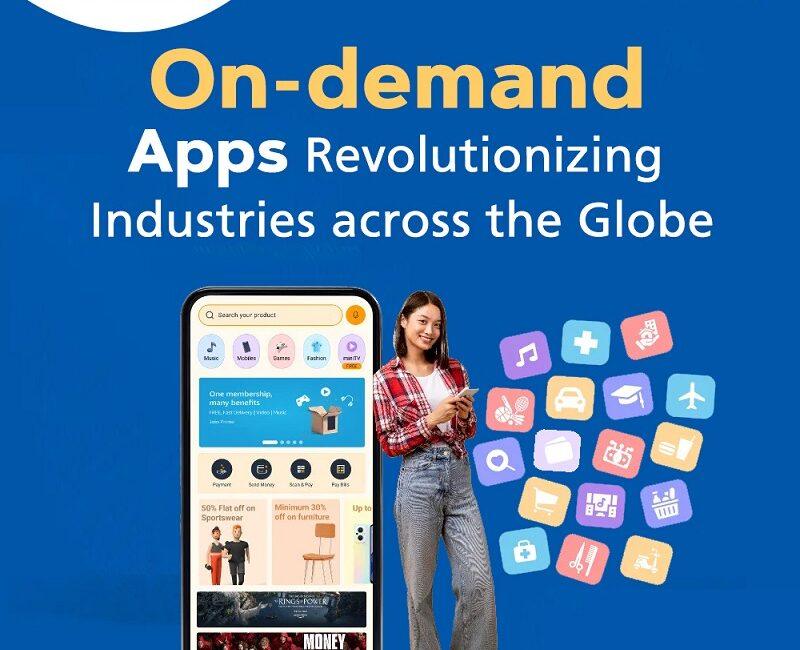
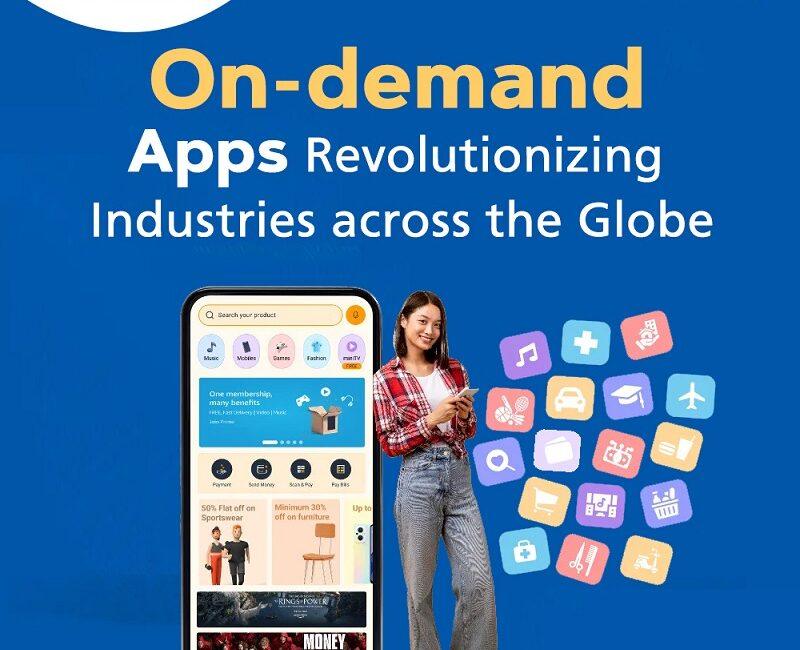
On-Demand Apps Revolutionizing Industries across the Globe
On-demand apps have become disruptive, transforming industries by making services more accessible, efficient, and user-friendly. Here’s how these apps are revolutionizing various sectors:
Healthcare
- Instant Consultations: Apps like Practo and Zocdoc connect patients with doctors for virtual consultations and appointments.
- Medication Delivery: Platforms offer same-day prescription delivery, simplifying medication management.
- Telehealth Expansion: Remote monitoring and chronic disease management improve patient outcomes.
Transportation
-
- Ride-Hailing Services: Apps like Uber and Lyft make commuting seamless by providing instant access to rides.
- Shared Mobility: Bicycle and scooter-sharing apps promote eco-friendly travel options.
- Logistics: On-demand apps streamline goods transportation, enhancing supply chain efficiency.
Food and Beverage
-
- Food Delivery: Platforms like DoorDash, Uber Eats, and Swiggy connect customers to local restaurants for quick delivery.
- Customization: Apps allow users to tailor meals to dietary needs, increasing satisfaction.
- Cloud Kitchens: They thrive on app-based orders, reducing overhead costs.
Retail and E-Commerce
-
- Quick Deliveries: On-demand apps ensure same-day or even 1-hour delivery of groceries, apparel, and electronics.
- Personalization: AI-powered recommendations enhance the shopping experience.
- Seamless Payments: Integrated wallets and buy-now-pay-later features simplify transactions.
Entertainment
-
- Streaming Services: Apps like Netflix and Spotify offer on-demand access to movies, shows, and music.
- Gaming: Platforms provide instant access to games, eliminating the need for physical copies.
- Event Booking: Apps simplify finding and reserving concert, theater, and live show tickets.
Education
-
- E-Learning: Apps like Coursera and Khan Academy provide instant access to educational content.
- Tutoring Services: Platforms connect students with subject-matter experts for one-on-one learning.
- Skill Development: On-demand courses help users upgrade their skills flexibly.
Home Services
-
- Convenient Bookings: Platforms like TaskRabbit and Urban Company provide access to cleaning, plumbing, and repair services.
- Real-Time Tracking: Users can monitor service professionals’ arrival and progress.
- Flexible Options: Subscription plans or one-time service options cater to diverse needs.
Finance and Banking
-
- Digital Wallets: Apps like PayPal and Venmo make money transfers instant and hassle-free.
- Investment Platforms: On-demand apps offer stock trading, cryptocurrency, and portfolio management access.
- Loan Applications: Instant loan approvals via app-based platforms reduce wait times.
Travel and Hospitality
- Booking Convenience: Apps like Airbnb and Booking.com simplify lodging and travel arrangements.
- Customized Itineraries: Platforms tailor recommendations based on user preferences.
- Real-Time Updates: Apps keep users informed of travel changes or delays.
Future Prospects
As technology advances, on-demand apps will integrate AI, IoT, and blockchain to deliver even smarter, more secure, and personalized services. From autonomous deliveries to predictive healthcare, the possibilities are limitless.
On-demand apps have not only met consumer expectations but also it has redefined them, making them indispensable in our daily lives.

Inimist Tech | April 8, 2023
Introducing on-demand economy
Introduction to the On-Demand Economy
The on-demand economy has revolutionized the way consumers access goods and services. Enabled by technology and digital platforms, this economic model allows individuals to obtain services and products almost instantly with a few taps on their smartphones or computer clicks. From ride-hailing apps to food delivery services and freelance job platforms, the on-demand economy is reshaping industries and consumer behaviors worldwide.

Understanding the On-Demand Economy
The on-demand economy is characterized by immediate access to products and services facilitated through online marketplaces and mobile applications. Companies operating in this space act as intermediaries, connecting service providers with customers in real time. This model leverages the gig workforce, where independent workers provide services on a flexible basis rather than being employed full-time.
Some of the most common sectors within the on-demand economy include:
- Transportation: Ride-hailing services like Uber and Lyft.
- Food and Grocery Delivery: Platforms like DoorDash, Uber Eats, and Instacart.
- Freelance Work: Marketplaces such as Upwork and Fiverr.
- Home Services: Apps like Task Rabbit and Handy for home repairs and chores.
- Healthcare: Telemedicine and at-home healthcare services such as Teladoc and Heal.
Key Drivers of the On-Demand Economy
Several factors have contributed to the rapid growth of the on-demand economy:
- Technological Advancements: The proliferation of smartphones, high-speed internet, and secure digital payment systems has made instant service access possible.
- Consumer Expectations: Modern consumers value convenience, speed, and flexibility in their interactions with businesses.
- Gig Workforce Expansion: More individuals are opting for freelance or gig-based work due to the flexibility and income opportunities it provides.
- Data and AI Integration: Companies use artificial intelligence and data analytics to enhance customer experiences and optimize service delivery.
Advantages and Challenges of the On-Demand Economy
While the on-demand economy offers numerous benefits, it also presents certain challenges.
Advantages:
- Convenience: Consumers can access services anytime and anywhere.
- Employment Opportunities: Individuals can work on flexible schedules and earn income on their terms.
- Business Growth: Companies benefit from lower overhead costs and a scalable business model.
Challenges:
- Worker Rights and Stability: Gig workers often lack job security, benefits, and legal protections.
- Regulatory Issues: Governments and legal systems are still adapting to this evolving economic model.
- Market Saturation: Intense competition among businesses can lead to lower profit margins and sustainability concerns.
The Future of the On-Demand Economy
The on-demand economy is expected to continue expanding as new industries adopt this model. Innovations in artificial intelligence, blockchain, and automation will further streamline service delivery, making it even more efficient and accessible. However, as the market matures, regulatory frameworks and business models will need to evolve to address worker rights and ensure fair competition.
In conclusion, the on-demand economy has reshaped consumer expectations and business operations across various industries. While it offers significant opportunities for growth and convenience, companies and policymakers must collaborate to create sustainable models that benefit both consumers and workers alike.
Inimist Tech | March 8, 2023
Microsoft Corporation: From Foundation to Future
The Origin of Microsoft Corporation
Microsoft Corporation, a global technology powerhouse, was founded on April 4, 1975, by Bill Gates and Paul Allen. The duo’s vision was to create software to empower individuals and businesses by making computers accessible and user-friendly. Their journey began in Albuquerque, New Mexico, where they developed a version of the BASIC programming language for the Altair 8800, one of the first personal computers.

The success of BASIC paved the way for Microsoft’s growth. In 1980, Microsoft partnered with IBM to provide an operating system for its first personal computer, the IBM PC. This partnership led to the development of MS-DOS, which became the foundation of Microsoft’s dominance in the software industry. By the mid-1980s, Microsoft introduced the first version of Windows, a graphical user interface that revolutionized computing.
Expansion and Market Dominance
The 1990s were a period of significant growth for Microsoft. With the release of Windows 95, the company cemented itself as a software industry leader. Windows 95 introduced features like the Start menu and taskbar, becoming a global standard for personal computing. The Office Suite, which included Word, Excel, and PowerPoint, further strengthened Microsoft’s hold on the productivity software market.
Microsoft’s dominance extended beyond software. The company ventured into hardware by launching devices like the Microsoft Mouse and keyboards. In 2001, Microsoft entered the gaming industry with the release of the Xbox console, which established the company as a major player in interactive entertainment.
Despite its success, Microsoft faced challenges, including antitrust lawsuits in the late 1990s and early 2000s. These legal battles led to increased scrutiny of the company’s business practices but did not diminish its market influence.
The Satya Nadella Era: Transformation and Innovation
In 2014, Satya Nadella became Microsoft’s CEO, ushering in a new era of transformation. Nadella shifted the company’s focus towards cloud computing, artificial intelligence (AI), and subscription-based services. Key milestones under his leadership include:
- Azure: Microsoft’s cloud platform became a cornerstone of the company’s strategy, competing with Amazon Web Services (AWS) and driving significant revenue growth.
- Office 365: Transitioning the Office Suite to a subscription model, integrating cloud-based collaboration tools.
- Acquisitions: Strategic acquisitions like LinkedIn (2016), GitHub (2018), and Activision Blizzard (pending as of 2024) expanded Microsoft’s reach in social networking, software development, and gaming.
- AI Integration: Microsoft integrated AI technologies into its products, including Azure AI services, the Power Platform, and OpenAI’s GPT models, to enhance productivity and decision-making.
Microsoft’s renewed emphasis on innovation and inclusivity contributed to its resurgence as one of the world’s most valuable companies, with a market capitalization exceeding $2.5 trillion.
Recent Innovations and Achievements
Microsoft continues to lead the technology industry with groundbreaking advancements:
- AI-Powered Tools: Integration of AI in Microsoft 365, including Copilot, which uses natural language processing to automate and enhance productivity.
- Surface Devices: A diverse lineup of Surface products, including laptops, tablets, and dual-screen devices, showcasing Microsoft’s commitment to hardware innovation.
- Gaming Expansion: The Xbox Game Pass subscription service redefined how games are distributed and played, while cloud gaming through Xbox Cloud Gaming brought console-quality games to mobile devices.
- Sustainability Goals: Committed to becoming carbon-negative by 2030 and removing all historical carbon emissions by 2050.
- Quantum Computing: Investments in quantum research aim to solve complex problems beyond the capabilities of classical computing.
The Future of Microsoft
Looking ahead, Microsoft’s future initiatives focus on leveraging emerging technologies and expanding its global impact. Key areas of focus include:
- Artificial Intelligence (AI): Advancing generative AI capabilities and integrating AI deeper into all its products, including Azure, Dynamics 365, and Microsoft 365.
- Cloud Computing: Expanding Azure’s global infrastructure and offering innovative cloud solutions for industries like healthcare, finance, and education.
- Metaverse: Building platforms for virtual collaboration and immersive experiences, leveraging technologies like Mesh for Teams and augmented reality devices like HoloLens.
- Sustainability: Innovating to achieve net-zero emissions through renewable energy, efficient data centers, and sustainable product designs.
- 5G and Edge Computing: Partnering with telecom providers to enhance connectivity and deliver low-latency applications for IoT and real-time analytics.
- Healthcare Technology: Using AI and cloud platforms to improve patient care, streamline healthcare operations, and accelerate medical research.
- Global Accessibility: Bridging the digital divide by expanding affordable internet access and developing tools for underserved communities.
Conclusion
Microsoft’s journey from a small software startup to a global technology leader is a testament to its ability to adapt and innovate. From its early days with MS-DOS to its current focus on AI and cloud computing, Microsoft has consistently shaped the future of technology. Under the leadership of Satya Nadella, the company is poised to address global challenges, empower individuals and businesses, and redefine the boundaries of what technology can achieve.
Inimist Tech | March 4, 2023
Apple Inc.: From Humble Beginnings to Shaping the Future
The Origin of Apple Inc.
Apple Inc., one of the world’s most influential technology companies, was founded on April 1, 1976, by Steve Jobs, Steve Wozniak, and Ronald Wayne. The trio envisioned a company that would revolutionize personal computing. Operating from a garage in Los Altos, California, the company introduced its first product, the Apple I, a personal computer designed and hand-built by Wozniak. Unlike other computers at the time, the Apple I was sold as a fully assembled motherboard, marking the beginning of user-friendly computing.
In 1977, the company launched the Apple II, a groundbreaking product that cemented Apple’s position in the emerging personal computer industry. Its success was due to its color graphics and open architecture, attracting both individual users and businesses. The Apple II’s popularity helped Apple go public in 1980, making millionaires of its early investors.

Challenges and the Return of Steve Jobs
The 1980s were a mixed decade for Apple. The launch of the Macintosh in 1984 was a milestone, introducing the first commercially successful computer with a graphical user interface (GUI). However, competition from IBM and Microsoft and internal struggles led to declining sales and corporate turmoil.
In 1985, Steve Jobs left the company after a power struggle with then-CEO John Sculley. Over the next decade, Apple struggled to innovate and faced financial difficulties. By 1997, the company was on the brink of collapse. Steve Jobs returned to Apple that year, marking the beginning of one of the greatest turnarounds in corporate history.
The Era of Innovation
Jobs’ returns revitalized Apple. Under his leadership, the company launched a series of revolutionary products:
- iMac (1998): A colorful, all-in-one desktop computer that redefined industrial design.
- iPod (2001): A portable music player that transformed the way people listen to music.
- iTunes Store (2003): A digital marketplace that revolutionized the music industry.
- iPhone (2007): A groundbreaking smartphone that combined communication, entertainment, and computing into one device.
- iPad (2010): A tablet computer that created a new category of personal electronics.
- Apple Watch (2015): A wearable device that integrated fitness tracking, health monitoring, and connectivity, showcasing Apple’s focus on personal health technology.
These products boosted Apple’s financial performance and established the company as a cultural icon.
Present Day: The Legacy of Innovation Continues
Today, Apple is one of the most valuable companies in the world, with a market capitalization exceeding $3 trillion. Its product lineup includes the iPhone, iPad, Mac, Apple Watch, and Apple TV, along with services like the App Store, Apple Music, iCloud, and Apple Pay.
Under the leadership of Tim Cook, who became CEO in 2011, Apple has expanded its focus to include environmental sustainability, health technology, and augmented reality (AR). The company’s recent innovations include:
- Apple Silicon: Transitioning Mac computers to in-house M1 and M2 chips, improving performance and energy efficiency.
- Apple Vision Pro (2024): A mixed-reality headset aimed at revolutionizing digital interaction.
- Apple Fitness+: A subscription service integrating workouts with the Apple ecosystem to promote health and wellness.
- Carbon Neutrality Goals: A commitment to making its supply chain and products carbon neutral by 2030.
- Enhanced Privacy Features: Continuing to lead the industry in offering robust privacy controls to protect user data.
The Future of Apple
Looking ahead, Apple’s future seems poised to build on its legacy of innovation. Key areas of focus include:
- Artificial Intelligence (AI): Enhancing user experiences across devices through AI-driven features, such as improved Siri functionalities and on-device machine learning capabilities.
- Augmented and Virtual Reality (AR/VR): Expanding the capabilities of devices like the Vision Pro to shape the next era of computing.
- Health and Wellness: Leveraging devices like the Apple Watch to provide advanced health monitoring, diagnostics, and even early disease detection using AI algorithms.
- Sustainability: Leading the tech industry toward more environmentally responsible practices, including advancements in recycling technology and renewable energy projects.
- Autonomous Vehicles: Rumours suggest that Apple is working on a self-driving car, potentially disrupting the automotive industry and integrating Apple’s design and software expertise into the mobility sector.
- Custom Silicon Development: Pioneering even more advanced chip technologies to ensure dominance in performance and energy efficiency for years to come.
- Satellite Connectivity: Expanding global internet access through satellite technology, potentially integrating it with future iPhone models for remote communication.
- Foldable Devices: Reports indicate that Apple is exploring foldable screen technology, aiming to create innovative devices that blend portability and functionality.
- Home Automation: Enhancing the Apple HomeKit ecosystem with smarter, more integrated devices to dominate the smart home market.
Conclusion
Apple Inc. has come a long way since its inception in 1976. From a small startup in a garage to a global leader in technology, Apple’s journey is a testament to the power of innovation, resilience, and vision. As the company continues to push boundaries, it remains a beacon of what’s possible in the ever-evolving tech landscape. With a clear commitment to creating impactful products and addressing global challenges, Apple’s future promises to be as transformative as its past.
Latest Posts
-

-
Fitness App Development in 2025: The Ultimate Guide for Success
November 5, 2025 -
IT Companies in Mohali The Impact of Mobile Apps
July 8, 2025 -
Mastering Mobile App Development in 2025
June 8, 2025